
01

From bonito to katsuobushi. From katsuobushi to culture.
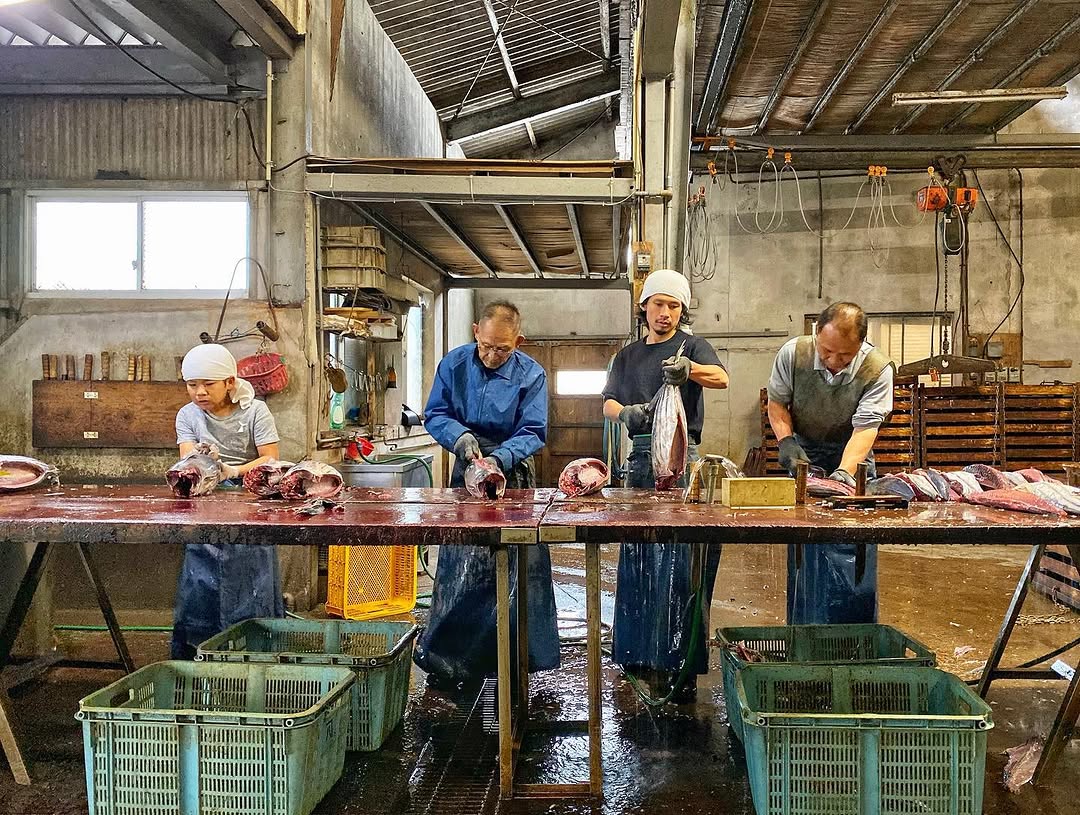
Kaneshichi Shoten makes katsuobushi in Makurazaki, Kagoshima. Led by fourth-generation maker Yusuke Sezaki, we continue to make honkarebushi and other katsuobushi while cherishing traditional methods.
Makurazaki in Kagoshima is known as a place where katsuobushi is made.
Bonito from the sea. Fire and firewood for smoking. Katsuobushi drying in the sun. And time.
Here in Makurazaki, Kaneshichi Shoten continues to work with bonito and make katsuobushi.
01
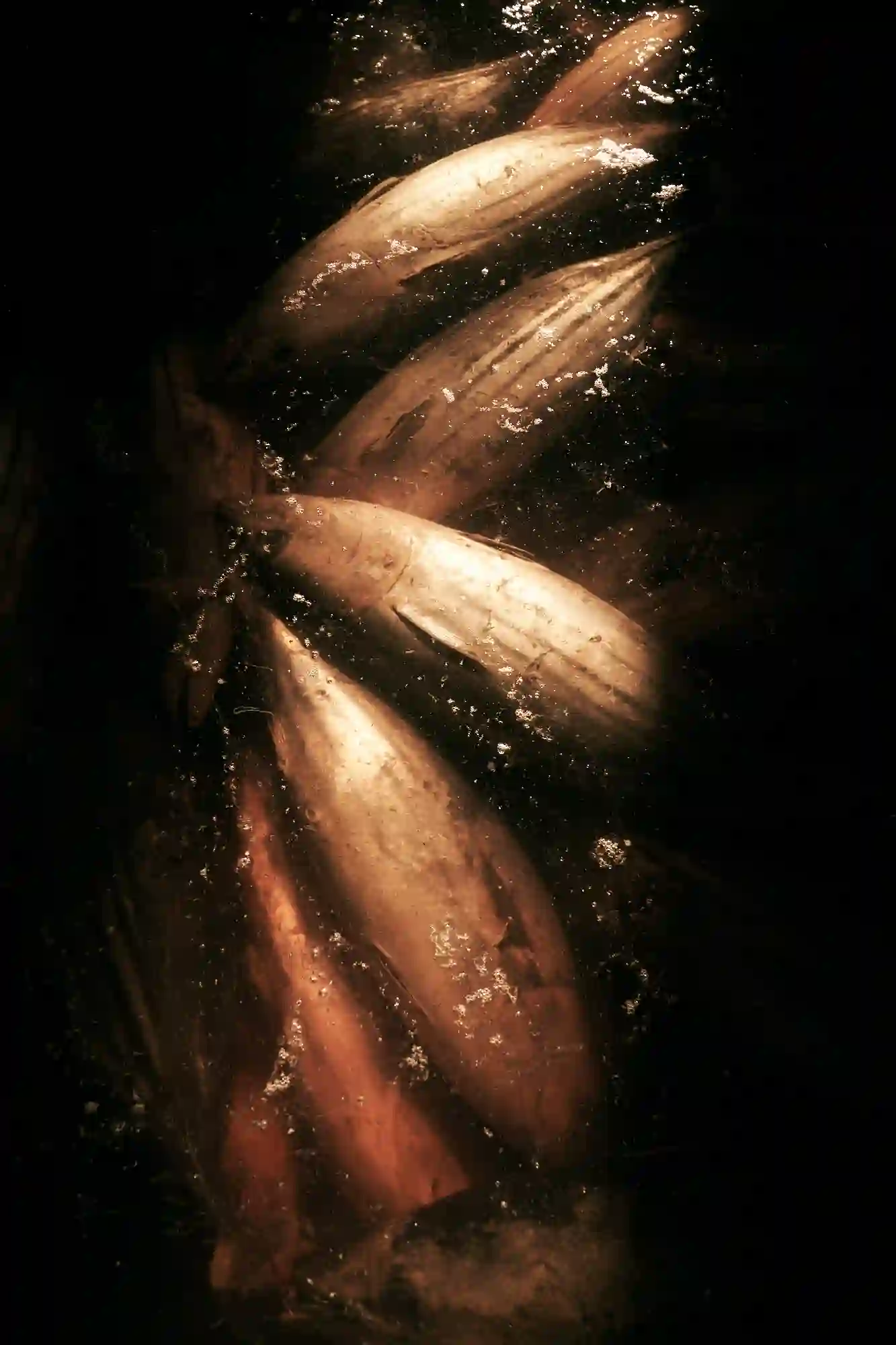
02
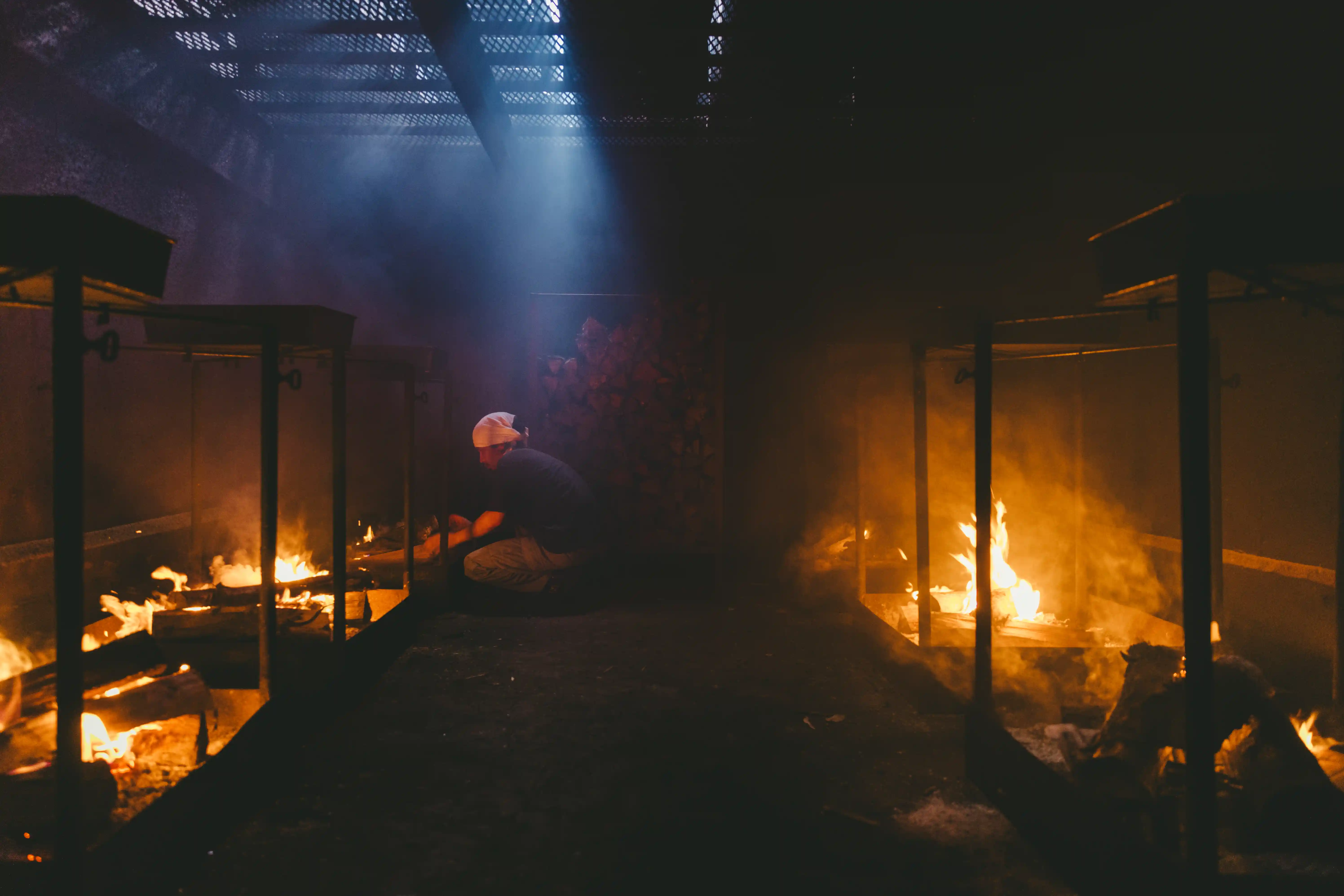
03
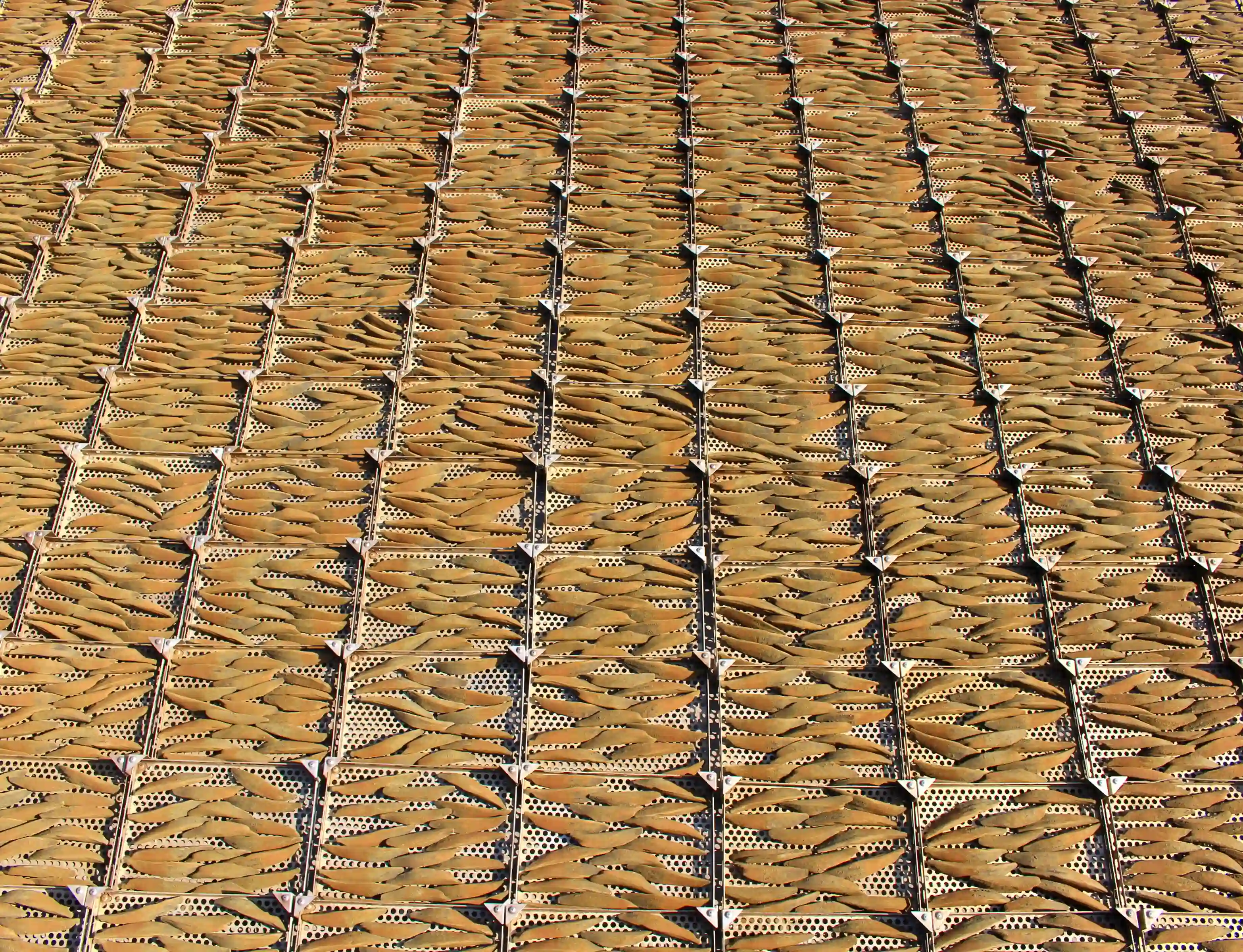
04
What we have inherited is more than a way of making things.
Watching the fish. Watching the fire. Feeling the katsuobushi.
Sensing the conditions of each day and working by hand wherever needed. Katsuobushi making at Kaneshichi Shoten is the accumulation of work passed down through generations.
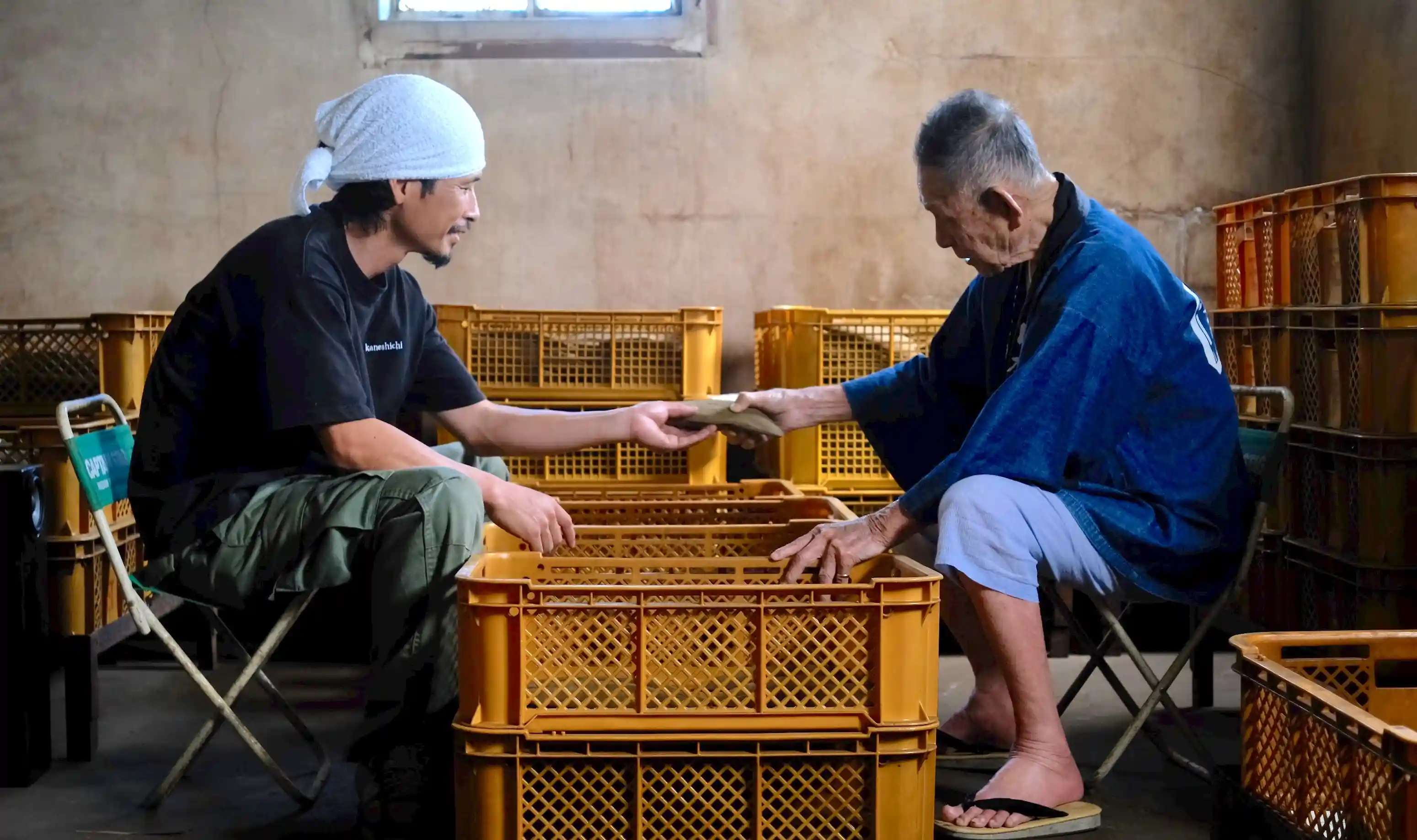
01
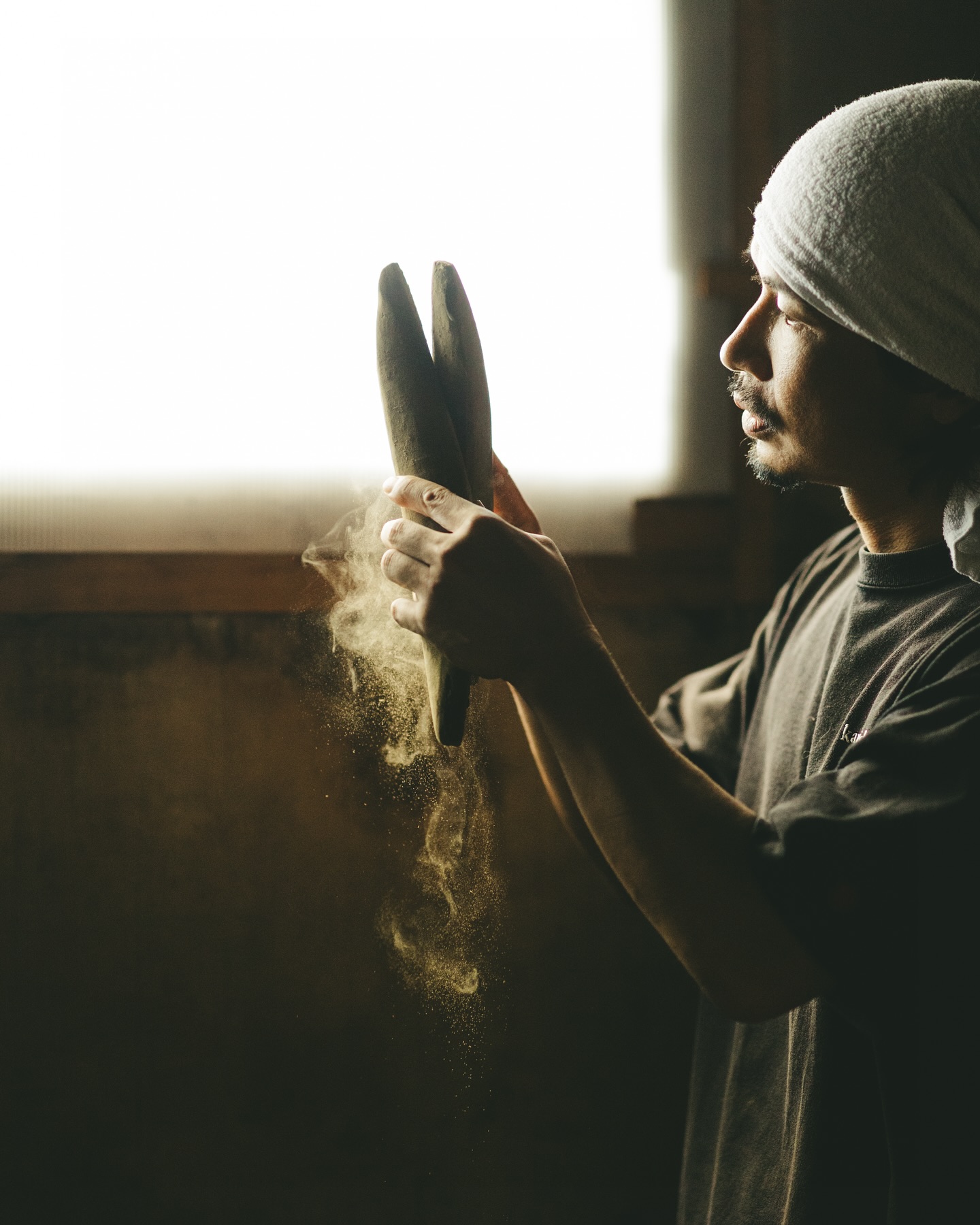
02
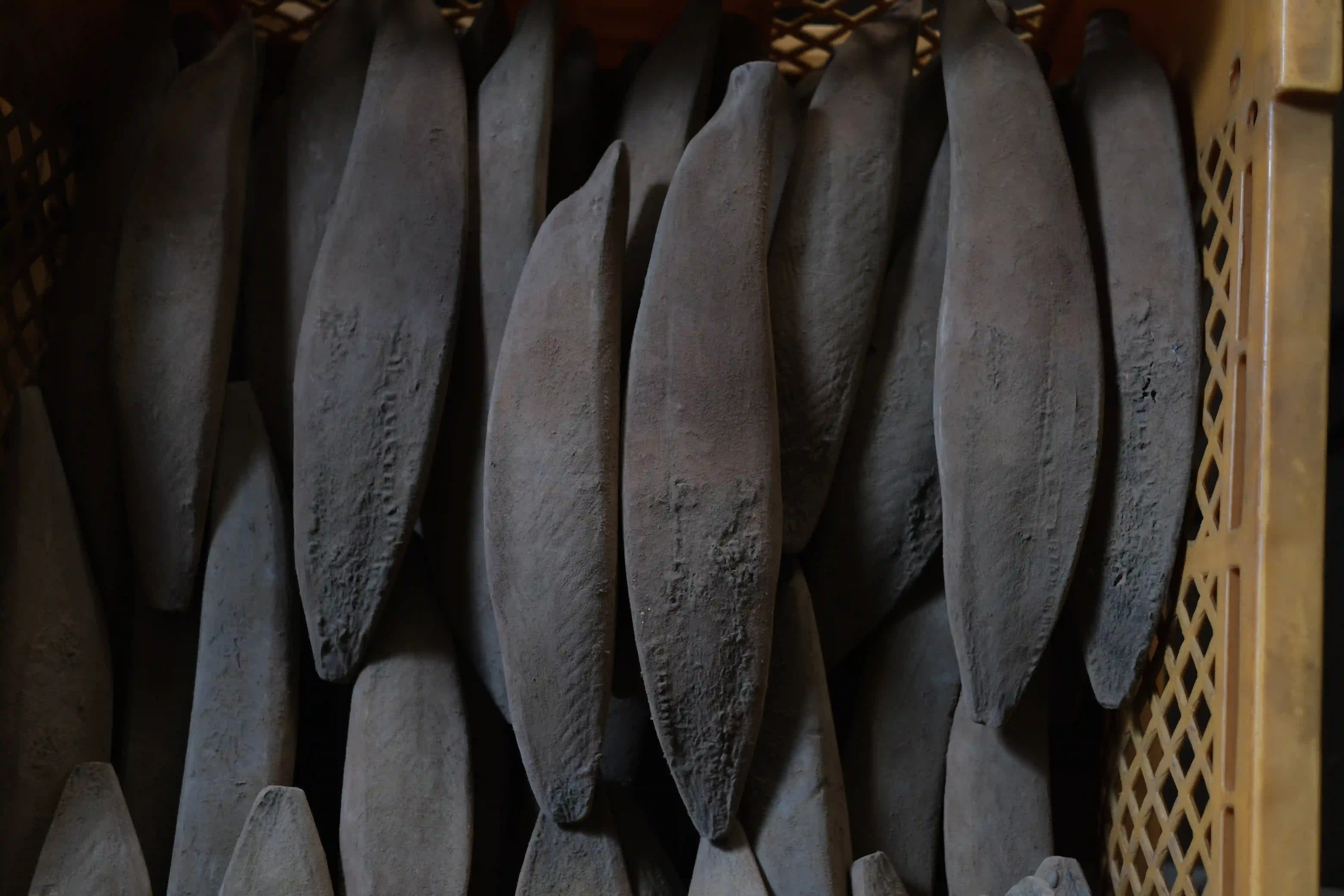
03
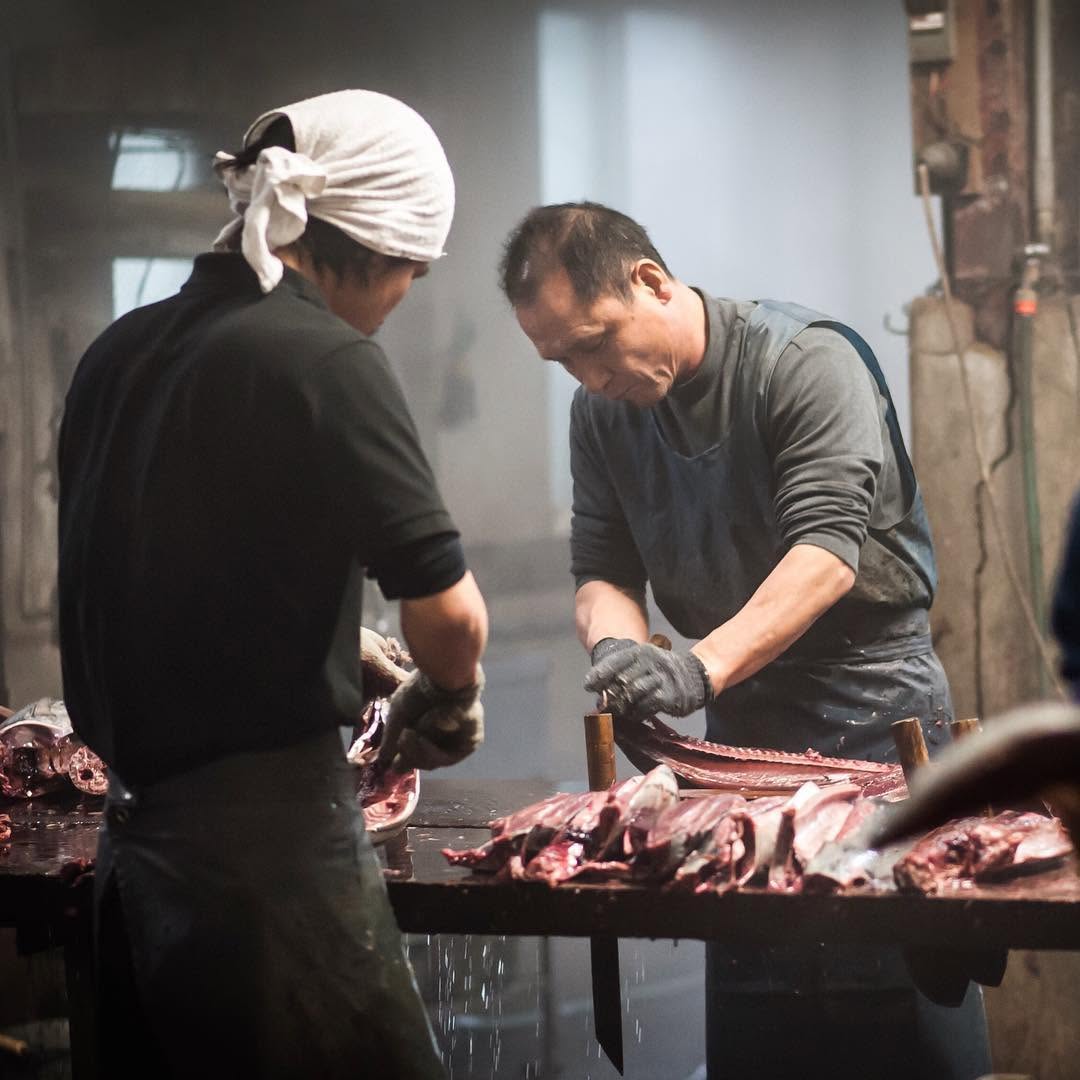
04
Taking over the family business.
It means more than continuing to make the same things.
Preserving the skills passed down to us while creating reasons for katsuobushi to remain needed in the years ahead.
As the fourth generation of Kaneshichi Shoten, I think about passing katsuobushi, and the food culture beyond it, on to the next generation.
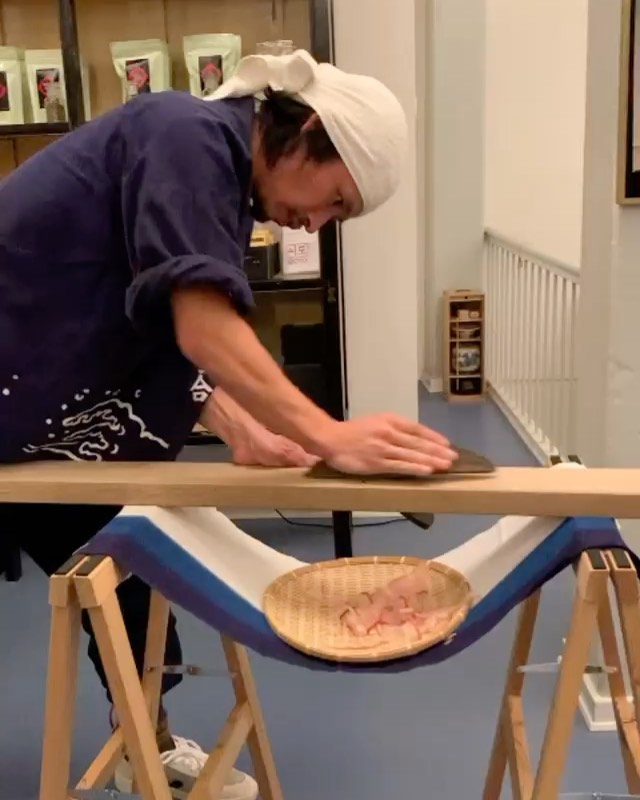
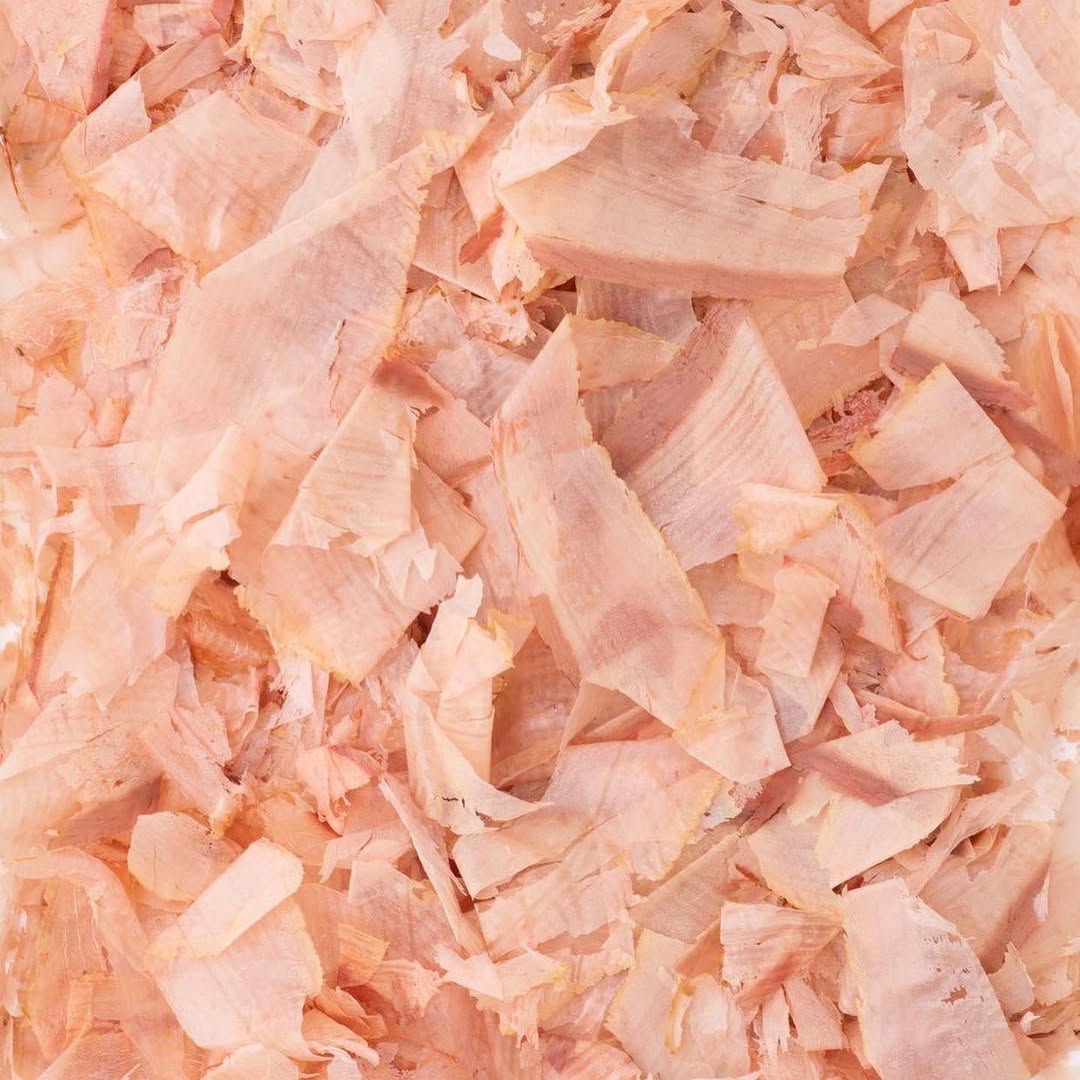
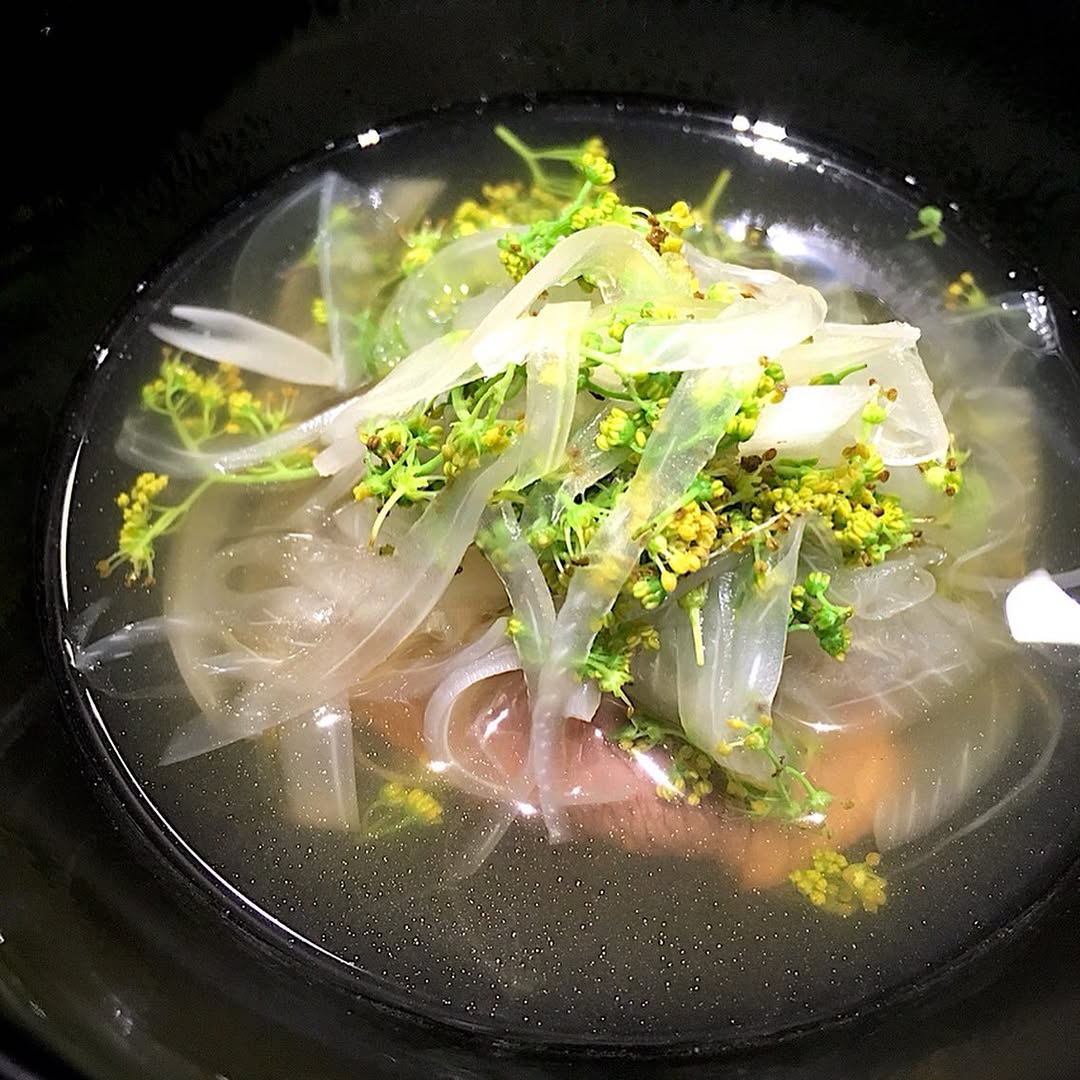
The handwork that turns bonito into katsuobushi. The sound of shaving it. The time spent making dashi. The aroma that fills the table.
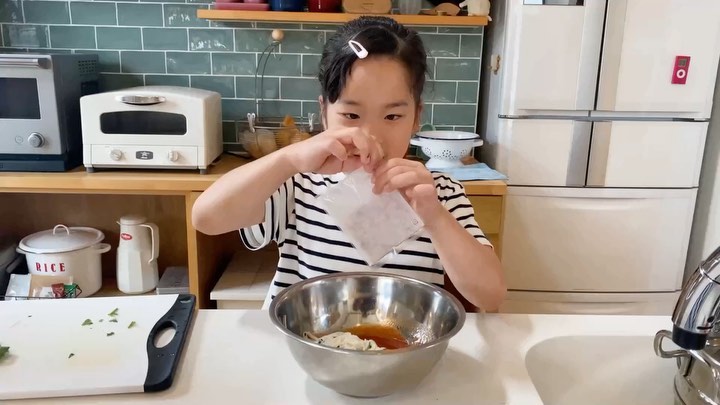
What Kaneshichi Shoten wants to leave to the next generation is a piece of katsuobushi and the Japanese food culture beyond it.
01
02
03
04
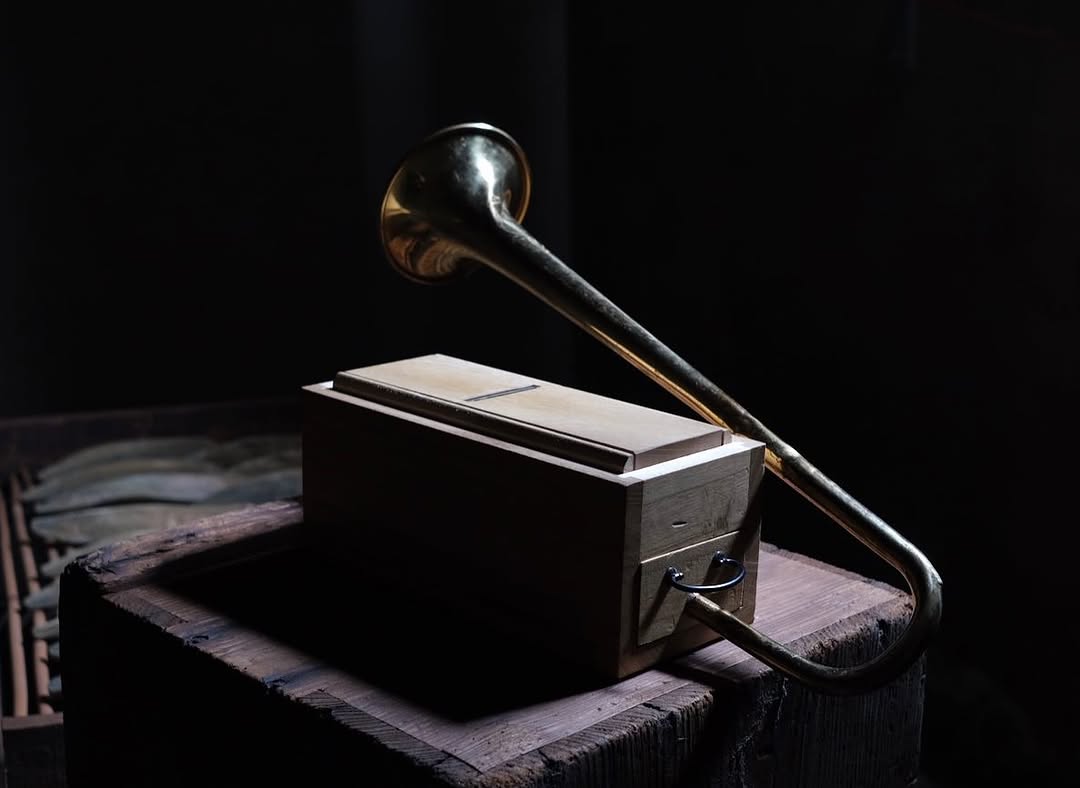
Mold cultivation is an important part of making honkarebushi.
Kaneshichi Shoten’s Classic Bushi is made with classical music playing during this stage.
Rather than simply preserving tradition, we think, experiment and strive to make a better piece of katsuobushi. Born from this approach, Classic Bushi represents Kaneshichi Shoten.
Shave it. Let its aroma rise. Make dashi. Sprinkle it over a dish.
Making katsuobushi is not the end of its story. Only when it is shaved and eaten at the table does it lead to what comes next.
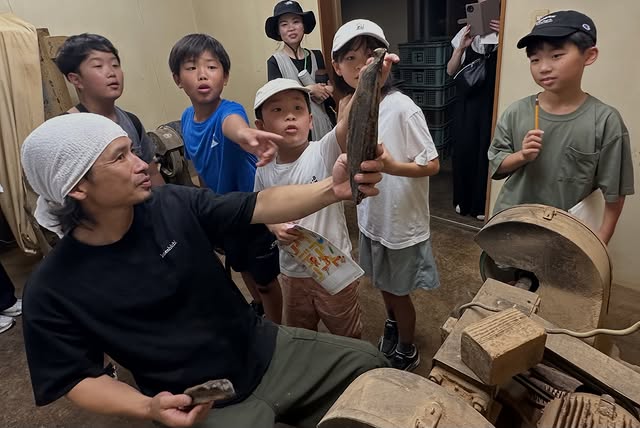
Turning bonito into a piece of katsuobushi takes many steps and a long time.
Sounds, aromas and textures that photographs alone cannot convey. Experience katsuobushi making at Kaneshichi Shoten for yourself.
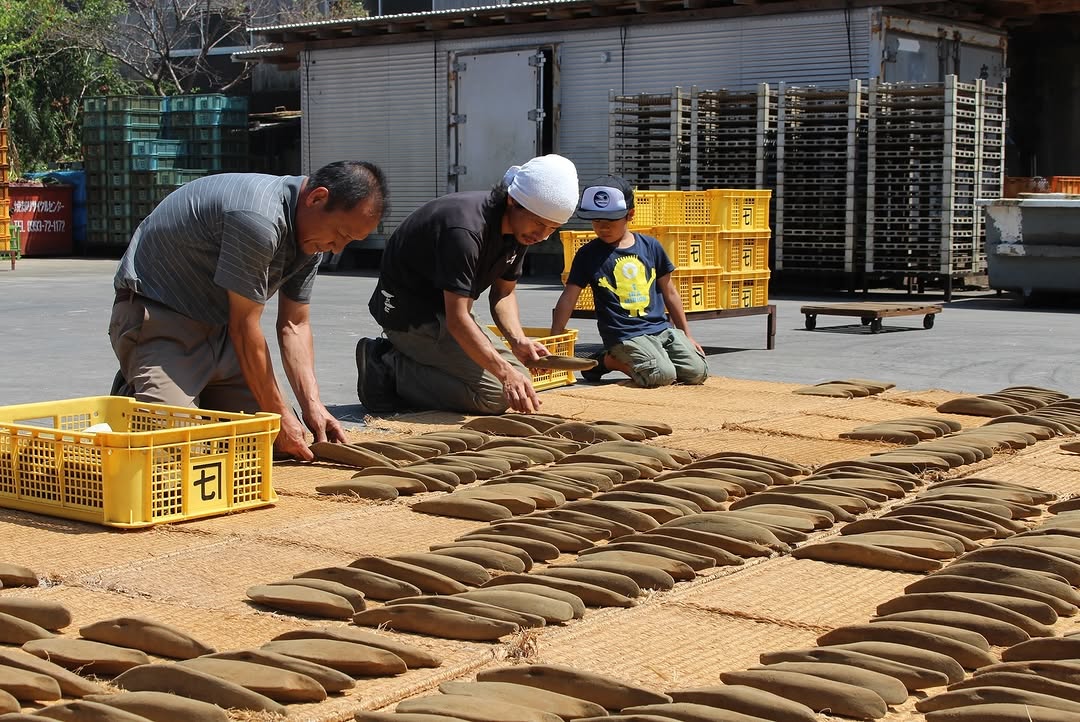
The thoughts passed down at Kaneshichi Shoten live on in our daily katsuobushi making.
Cutting, simmering and smoking bonito, then repeating mold cultivation and drying. Follow the work, step by step, until a piece of katsuobushi is complete.